
Home› Horticultural Show & Plant Stall Risk Assessment
Horticultural Show & Plant Stall Risk Assessment — Generated Instantly for £29
Describe your plant stall, nursery pitch or horticultural show display — stock, tools, display setup and transport. We generate a fully written, UK-compliant risk assessment covering compost handling, sharp tools, plant toxicity and manual handling in minutes.
Used by garden centre traders, nurseries, plant specialists and horticultural societies across the UK

🌱 Selling plants with berries, bulbs or leaves that are toxic if eaten? Mention it — we'll include specific plant toxicity warnings and customer safety controls alongside your standard stall hazards.
Legal requirements for show and market stall traders
Under Regulation 3(1) of the Management of Health and Safety at Work Regulations 1999, every employer and self-employed person must carry out a suitable and sufficient risk assessment of the risks to employees and others — including show visitors and fellow exhibitors — arising from their work activity. For plant stall holders, this means assessing manual handling, sharp tools, slips from watering and spilled compost, and the safe display of stock to the public.
The Health and Safety at Work Act 1974 places a general duty of care on anyone running a trading pitch to protect staff, customers and passers-by. Most agricultural show societies, farmers market organisers and county show committees now require exhibitors to submit a written risk assessment before a pitch is confirmed — it's increasingly a condition of entry, not an optional extra.
Where you handle plant feeds, fungicides or pesticides on your stall, the Control of Substances Hazardous to Health Regulations 2002 (COSHH) require you to assess and control exposure risks to yourself and customers. Manual handling of heavy compost bags and pots falls under the Manual Handling Operations Regulations 1992, which require assessment of lifting and carrying tasks to reduce injury risk.
How It Works

1. Describe your stall
Tell us what you sell — bedding plants, shrubs, trees, bulbs, cut flowers — and how your pitch is set up: gazebo, staging, trays, hosepipe for watering. Mention any sharp tools, chemicals or toxic plants on display.

2. Let the app take the strain
Anyrisks produces a fully written, UK-compliant risk assessment referencing MHSWR 1999, COSHH 2002 and manual handling regulations where relevant to your stock and setup.
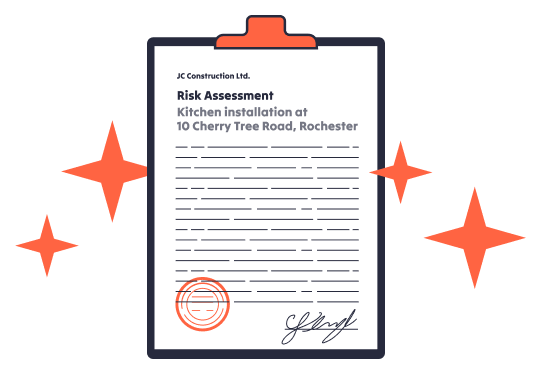
3. Instant download and use
Download as PDF and Word. Submit it to the show organiser, display it on your stall, or keep it on file for your own compliance records. £29, no subscription.
What it covers
Every horticultural show and plant stall risk assessment is written in full — covering the specific hazards of selling plants at shows, fairs and markets.
Manual handling of heavy pots, compost bags and bulky plants
Cuts and lacerations from secateurs, knives and pruning tools
Slips and trips from spilled compost, water and hosepipes
Plant toxicity — berries, bulbs and leaves harmful if ingested
Compost and soil handling — dust and allergen exposure
Stability of gazebos, tiered staging and A-frame displays
Transporting and loading fragile stock safely
Watering operations near customers and electrical equipment
COSHH controls for fertilisers, feeds and pesticides on display
Fire risk from gas burners, heaters or generators on the pitch
Public liability — customer access, pushchairs and trip hazards
Weather-related risks — wind, rain and sun exposure on open pitches
Cash handling and lone working during quiet show periods
Waste disposal of plant debris, packaging and broken pots
Works for
From county show stands to farmers market pitches, Anyrisks covers every type of plant and horticultural trading stall.
What customers say
"The county show committee asked for a written risk assessment before confirming our pitch. Anyrisks covered the compost, the secateurs and our gazebo staging in one go — accepted straight away."
Diane R.
Nursery owner, Yorkshire
"We sell foxgloves and other toxic ornamentals at the farmers market every month. This was the first template I've used that actually mentions plant toxicity as a specific hazard."
Tom B.
Plant stallholder, Cotswolds
"Transporting young trees and heavy pots in the van was our biggest worry. The assessment covered loading, securing the load and manual handling — exactly what we needed for our insurance file."
Linda M.
Garden centre trader, Kent
Anyrisks vs DIY templates
| Anyrisks | DIY / Templates | |
|---|---|---|
| Written in full — not a blank form | ✓ | ✗ |
| Covers compost handling and plant toxicity specifically | ✓ | ✗ |
| MHSWR 1999 and COSHH 2002 referenced | ✓ | ✗ |
| Covers sharp tools — secateurs and knives | ✓ | ✗ |
| Covers display stand and gazebo stability | ✓ | ✗ |
| Accepted by show and market organisers | ✓ | Sometimes |
| Ready in under 2 minutes | ✓ | ✗ |
| Instant PDF and Word download | ✓ | Sometimes |
Frequently asked questions
Also see: The Ultimate Guide to Risk Assessment · Do I Need a Risk Assessment? · Risk Assessment Legal Requirements · AI Risk Assessment Generator
Do I need a risk assessment for a plant stall at a horticultural show?
Yes — if you employ staff or if the show organiser requires one (most do as a condition of exhibiting), you need a written risk assessment under Regulation 3 of the Management of Health and Safety at Work Regulations 1999. Even sole traders are increasingly asked to provide one by show committees and venue owners before they'll allocate a pitch.
What are the main hazards specific to a plant stall?
The main hazards are manual handling of heavy pots and compost bags, cuts from secateurs, knives and pruning tools, slips from spilled compost and watering, plant toxicity (some ornamental plants and berries are poisonous if ingested), and trip hazards from trays, hoses and display staging. The assessment covers each of these with practical controls.
Does it cover transporting plants and stock to the show?
Yes — describe how you transport your stock (van, trailer, estate car) and we'll include manual handling and vehicle loading controls for fragile pots, trays and tall plants, along with securing loads to prevent tipping or breakage in transit.
Will it cover display stands, gazebos and staging?
Yes — if you use gazebos, tiered staging or A-frame displays, mention this and the assessment will include wind loading, stability, and public access hazards around your stand, in line with event organiser and HSE guidance on temporary structures.
Is this different from a general market stall risk assessment?
Yes — plant and horticultural stalls carry hazards that general market stalls don't, including soil and compost handling, sharp tool use, plant toxicity, and watering-related slip risks. This assessment is written specifically for plant sales, nurseries and garden centre pitches at shows, fairs and markets.
Do show organisers accept this format?
Yes — the assessment is produced in the standard written format expected by agricultural show societies, farmers market organisers, craft fair organisers and local authorities, referencing the relevant UK regulations and controls they typically ask exhibitors to confirm.
Does it cover handling chemicals like plant feed or pesticides?
Yes — if you display or sell fertilisers, pesticides or plant treatments, mention this and the assessment will include COSHH 2002 controls for safe handling, storage and customer safety around these products on your stall.
How long does it take to generate?
Under 2 minutes. Describe your stall, the plants and products you sell, and how you set up and transport stock, and Anyrisks produces a complete, regulation-referenced horticultural show and plant stall risk assessment instantly.