
Home › Wildlife Conservation and Trap Monitoring Risk Assessment
Wildlife Conservation and Trap Monitoring Risk Assessment — Generated Instantly for £29
Describe your trap type, target species and site — Larsen traps for crow control, fox snaring, or wader protection programmes on remote reserves. We generate a fully written, UK-compliant risk assessment covering lone working, animal handling and rural terrain hazards in minutes.
Used by conservation rangers, wildlife trusts, estate keepers and volunteer trap checkers across the UK

🐦 Checking traps alone on remote wader ground? Mention it — we will include lone working check-in procedures, animal handling controls and terrain-specific hazards for your exact site.
Legal requirements for trap monitoring and predator control
Under Regulation 3(1) of the Management of Health and Safety at Work Regulations 1999 (MHSWR), any organisation or self-employed individual carrying out trap-based predator control — for wildlife trusts, private estates, or conservation partnerships — must assess the risks to employees, volunteers and members of the public. This applies whether the work is paid or voluntary, and whether it takes place on nature reserves, farmland, or coastal marshes.
Trap monitoring for species such as crows, using Larsen traps or similar cage traps, is typically conducted under a general licence issued by the relevant statutory body (Natural England, NatureScot, Natural Resources Wales, or DAERA). These licences carry a legal requirement to check traps at least once every 24 hours, meaning trap checkers are frequently working alone in remote locations at fixed times regardless of weather or fatigue — a scenario the risk assessment must specifically address.
The Health and Safety at Work Act 1974 establishes the underlying duty of care for staff and volunteers involved in fieldwork. Combined risks from lone working in isolated marshland or moorland, manual handling of traps and equipment, live animal handling, and exposure to weather mean a generic countryside risk assessment is rarely sufficient — a documented, activity-specific assessment is expected by employers, wildlife trusts, and land managers.
How It Works

1. Describe the work
Tell us the trap type, target species, site terrain, checking frequency and whether you work alone. If your site is remote or has poor mobile signal, mention it and we will include appropriate lone working and emergency contingency controls.
2. Let the app take the strain
Anyrisks produces a fully written, UK-compliant trap monitoring risk assessment referencing the Management of Health and Safety at Work Regulations 1999 and animal handling best practice.
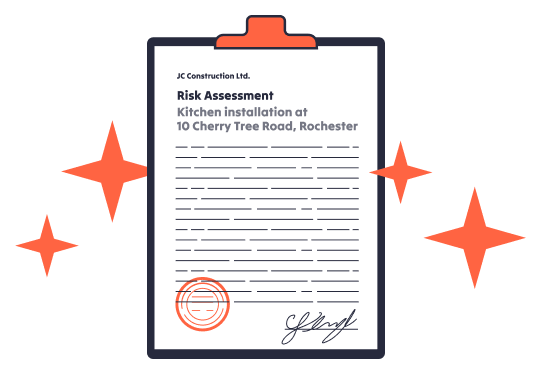
3. Instant download and use
Download as PDF and Word. Share it with your wildlife trust, estate manager or funding body, or file it for licence compliance and audit purposes. £29, no subscription.
What it covers
Every wildlife conservation and trap monitoring risk assessment is written in full — covering the hazards specific to fieldwork, trapping and remote site access.
Lone working in remote coastal, marsh and moorland locations
Legal duty to check traps within 24 hours under general licence conditions
Bite, scratch and claw injury risk from handling live corvids
Zoonotic disease exposure and hygiene control measures
PPE requirements — gloves, eye protection, appropriate clothing
Safe humane dispatch procedures and welfare compliance
Terrain hazards — uneven ground, tidal marsh, bog and slip risk
Manual handling of traps, decoys and monitoring equipment
Vehicle and quad bike access on rural tracks
Weather exposure — cold, heat, driving rain and lightning risk
Wildlife disturbance risk to breeding waders and other protected species
Volunteer supervision and competency for less experienced trap checkers
Public interaction and access on shared reserve land
Emergency procedures and welfare check-in for isolated fieldwork
Works For
From wader recovery projects to estate-level predator control, Anyrisks covers every type of trap monitoring and conservation fieldwork.
What Customers Say
"We check Larsen traps daily across a huge stretch of marsh to protect our wader plots. Anyrisks covered the lone working and 24-hour checking requirement properly — something our old template never got right."
Ellen R.
Wildlife trust reserve warden, East Anglia
"Our volunteers do the trap rounds on rotation and needed something clear enough for people with different experience levels. This nailed the handling and hygiene controls without being overcomplicated."
Duncan M.
Estate gamekeeper, Scottish Borders
"I run predator control on a coastal reserve for the funders' compliance file. This is the first document I have used that actually addresses tidal marsh terrain and mobile signal issues properly."
Priya S.
Conservation ranger, North Norfolk coast
Anyrisks vs DIY Templates
| Anyrisks | DIY / Templates | |
|---|---|---|
| Written in full — not a blank form | ✓ | ✗ |
| MHSWR 1999 lone working duties referenced | ✓ | ✗ |
| 24-hour trap checking obligation addressed | ✓ | ✗ |
| Live animal handling and hygiene controls included | ✓ | ✗ |
| Remote terrain and weather hazards covered | ✓ | ✗ |
| Suitable for paid staff and volunteer trap checkers | ✓ | ✗ |
| Ready in under 2 minutes | ✓ | ✗ |
| Instant PDF and Word download | ✓ | Sometimes |
Frequently Asked Questions
Do I need a risk assessment for checking Larsen traps?
Yes. Under Regulation 3(1) of the Management of Health and Safety at Work Regulations 1999 (MHSWR), anyone conducting trap-based predator control as part of their work — including volunteers directing conservation activity — must assess risks from lone working, animal handling, terrain and weather before setting or checking traps.
Does this cover the legal requirements of the general licences?
The risk assessment addresses health and safety hazards, not the wildlife licensing conditions themselves. You must still operate within the terms of the relevant general licence (or individual licence) issued by Natural England, NatureScot, or the equivalent body, including the requirement to check traps at least once every 24 hours.
How does it handle lone working on remote wader sites?
Describe your site — coastal marsh, upland moor, wetland reserve — and how often you are alone when checking traps, and the assessment will include lone working controls: check-in procedures, mobile signal contingencies, welfare arrangements and emergency escalation steps appropriate to remote rural terrain.
Does it cover bites, scratches and disease risk from handling crows?
Yes. Handling live or trapped corvids carries risk of bites, scratches, and zoonotic disease exposure. The assessment includes PPE requirements (gloves, appropriate clothing), safe dispatch or handling procedure references, and hygiene controls in line with good practice for wildlife handlers.
Can it cover both staff and volunteer trap checkers?
Yes — mention whether the people checking traps are paid staff, trainees or volunteers. The assessment will reflect the specific duty owed to volunteers under Regulation 3(1) of MHSWR 1999, including supervision and competency considerations for less experienced trap checkers.
Does it include terrain, weather and vehicle access hazards?
Yes. Rural conservation sites often involve uneven ground, tidal marshland, quad bike or vehicle access tracks, and exposure to weather. Describe the terrain and access method and these hazards will be built into the assessment, alongside manual handling risks from carrying traps and equipment.
Is this suitable for wader recovery projects and other predator control programmes?
Yes — the assessment is written around your specific programme, whether that is crow control to protect breeding waders, fox snaring adjacent monitoring, or general predator management on nature reserves. Describe the species targeted and habitat and the content will be tailored accordingly.
How long does it take to generate?
Under 2 minutes. Describe your trap type, site, checking frequency and lone working arrangements, and Anyrisks produces a complete, regulation-referenced risk assessment instantly.
Also see: The Ultimate Guide to Risk Assessment · Do I Need a Risk Assessment · Risk Assessment Legal Requirements · Risk Assessment Generator