
Home › Education & Training › Willow Weaving & Basket Making Risk Assessment
Willow Weaving & Basket Making Risk Assessment — Generated Instantly for £29
Describe your willow weaving or basket making session — workshop type, tools used, venue, participant profile. We generate a fully written, UK-compliant risk assessment covering sharp tools, manual handling, allergies and all relevant regulations in minutes.
Used by craft tutors, community groups, village halls and willow workers across the UK

🧺 Teaching children or vulnerable adults? Mention it — we'll include supervision ratios, age-appropriate tool controls, and safeguarding requirements specific to working with under-18s or adults at risk.
Legal requirements for willow weaving and basket making
Under the Health and Safety at Work Act 1974, anyone running a willow weaving workshop, craft session or teaching activity owes a duty of care to participants. This includes self-employed craft tutors, community group organisers, and venue operators. Section 3(1) extends this duty to non-employees, including workshop attendees and the public.
The Management of Health and Safety at Work Regulations 1999 require a written risk assessment for all work activities. Regulation 3(1) states that every employer and self-employed person must make a suitable and sufficient assessment of the risks to the health and safety of their employees and others who may be affected by their undertaking. For willow weaving and basket making, this means documenting hazards from sharp tools, manual handling of willow bundles, repetitive movements, allergies to plant materials, and environmental conditions (especially for outdoor sessions).
If you work with children or vulnerable adults, you must also consider the Children Act 1989 and safeguarding duties. A risk assessment must reflect appropriate supervision, age-appropriate tool selection, and controls for any activity involving under-18s. Many village halls, community centres and insurance policies require a written risk assessment before craft workshops can take place on their premises.
How It Works

1. Describe Your Session
Tell us the type of willow weaving or basket making activity, tools you'll use (secateurs, bodkins, knives), whether it's indoors or outdoors, and who will attend (adults, children, mixed groups). Mention any specific venue considerations like uneven ground, working near water, or workshop space constraints.
2. Let the app take the strain
Anyrisks produces a fully written, UK-compliant willow weaving and basket making risk assessment referencing the Management of Health and Safety at Work Regulations 1999 and covering all tool, manual handling, allergy and environmental hazards.
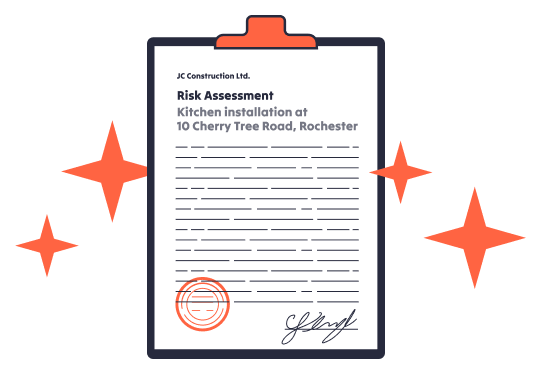
3. Instant Download and Use
Download as PDF and Word. Hand it to your venue manager, include it in your insurance documentation, or file it for compliance purposes. £29, no subscription. Use our risk assessment generator for instant results.
What It Covers
Every willow weaving and basket making risk assessment is written in full — covering all craft and venue hazards relevant to your session.
Sharp tools — secateurs, side cutters, bodkins, knives, pruning saws
Manual handling of willow bundles, soaked willow rods and finished baskets
Repetitive hand and wrist movements — tendonitis and RSI prevention
Allergies to willow, plant sap, dust and natural materials
Eye injuries from springback of willow rods
Cuts and puncture wounds — first aid and tool safety
Working posture — seating, benches, floor work and back strain
Outdoor hazards — weather, uneven ground, insects, pollen allergies
Water hazards when working near rivers, ponds or soaking tanks
Fire risk from dry willow, wood shavings and workshop heating
Supervision requirements for children and vulnerable adults
Venue-specific risks — village halls, barns, outdoor sites, gardens
Works For
From beginner basket making workshops to advanced willow sculpture courses, Anyrisks covers every type of willow craft activity.
What Customers Say
"I run willow weaving workshops in village halls and the organisers always ask for a risk assessment. Anyrisks gives me something professional and specific to each venue in minutes — it's saved me hours."
Helen T.
Willow craft tutor, Somerset
"We run outdoor willow sculpture sessions with children. The assessment covered sharp tools, supervision ratios, allergies and working near water — everything the school needed to see before approving the trip."
James M.
Community craft coordinator, Devon
"I teach basket making to adults and the insurance company wanted a written risk assessment. Anyrisks covered manual handling, repetitive movements and tool safety — exactly what they were looking for."
Sarah K.
Basket making tutor, Herefordshire
Anyrisks vs DIY Templates
| Anyrisks | DIY / Templates | |
|---|---|---|
| Written in full — not a blank form | ✓ | ✗ |
| Management of Health and Safety at Work Regulations 1999 referenced | ✓ | ✗ |
| Covers sharp tools and manual handling specific to willow craft | ✓ | ✗ |
| Includes supervision requirements for children and vulnerable adults | ✓ | ✗ |
| Covers both indoor and outdoor sessions | ✓ | ✗ |
| Allergy and plant material hazards included | ✓ | ✗ |
| Ready in under 2 minutes | ✓ | ✗ |
| Instant PDF and Word download | ✓ | Sometimes |
Frequently Asked Questions
Do I need a risk assessment for willow weaving workshops?
Yes — under the Health and Safety at Work Act 1974 and the Management of Health and Safety at Work Regulations 1999, every employer and self-employed person running a workshop or teaching activity must complete a written risk assessment. This includes willow weaving and basket making workshops.
Does it cover children attending workshops?
Yes — mention that children will be present and the assessment will include supervision requirements, age-appropriate tools, and controls specific to working with under-18s in craft activities.
What about outdoor willow weaving sessions?
Yes — describe whether the session is indoors, outdoors or both. For outdoor sessions, the assessment will cover weather conditions, uneven ground, allergies to plants, and insect stings.
Does it cover sharp tools like secateurs and bodkins?
Yes — all cutting and weaving tools are covered, including secateurs, side cutters, bodkins, and knives. The assessment includes safe tool handling, storage, and first aid for cuts.
Can I use it for community groups and village halls?
Yes — Anyrisks is used by community craft groups, WI groups, village hall organisers and independent craft teachers across the UK. Describe your venue and participant group and the assessment will be tailored accordingly.
How long does it take to generate?
Under 2 minutes. Describe your willow weaving or basket making activity, the venue, tools used, and participant profile. Anyrisks produces a complete, UK-compliant risk assessment instantly.
Also see: The Ultimate Guide to Risk Assessment · Do I Need a Risk Assessment? · Risk Assessment Legal Requirements · Risk Assessment Generator