
Home › Animal Rescue / Sanctuary Risk Assessment
Animal Rescue / Sanctuary Risk Assessment — Generated Instantly for £29
Describe your rescue centre or sanctuary — the animals you care for, your site layout, staff and volunteer numbers. We generate a fully written, UK-compliant risk assessment covering animal handling, zoonotic disease and site hazards in minutes.
Built for animal rescue centres, sanctuaries, rehoming charities and volunteer-run animal welfare organisations

🐾 Caring for frightened, injured or aggressive animals? Mention it — we'll include safe handling procedures, restraint techniques, and the specific PPE and hygiene controls needed to protect staff and volunteers.
Legal requirements for animal rescue centres and sanctuaries
The Health and Safety at Work etc. Act 1974 places a general duty on employers to protect the health, safety and welfare of employees, volunteers and visitors. For rescue centres and sanctuaries, this duty extends to anyone handling animals, cleaning enclosures or carrying out site maintenance.
Regulation 3(1) of the Management of Health and Safety at Work Regulations 1999 requires a suitable and sufficient risk assessment covering all significant hazards. This includes animal bites, scratches and kicks, zoonotic disease transmission, manual handling of feed and bedding, slips on wet surfaces, and lone working during out-of-hours checks. A written risk assessment is expected by trustees, insurers, local authorities and the HSE, and is especially important given the heavy reliance on volunteers in this sector.
The Control of Substances Hazardous to Health Regulations 2002 (COSHH) apply to cleaning chemicals, disinfectants and veterinary products used on site, and require controls to prevent exposure. Zoonotic disease risk — the transmission of illness from animals to humans — must also be assessed and managed through hygiene procedures, PPE and staff training.
How it works

1. Describe your site
Tell us the type of animals you care for, your site layout, staff and volunteer numbers, and any specific hazards such as isolation pens or lone working. The more detail you give, the more tailored your assessment will be.

2. Let the app take the strain
Anyrisks produces a fully written, UK-compliant risk assessment referencing the Health and Safety at Work Act 1974, the Management of Health and Safety at Work Regulations 1999, and COSHH 2002 where relevant.
3. Instant download and use
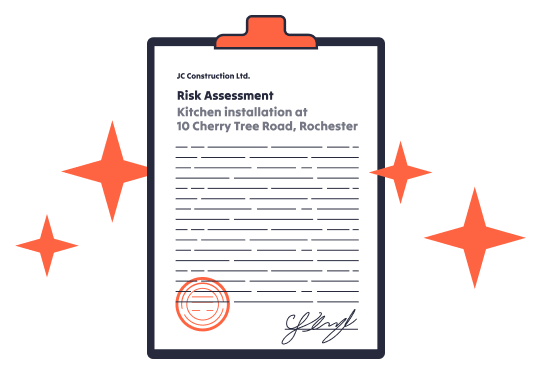
Download as PDF and Word. Share it with trustees, insurers or your local authority, or file it for your organisation's compliance records. £29, no subscription.
What it covers
Every animal rescue and sanctuary risk assessment is written in full — covering all animal handling and site hazards relevant to your organisation.
Animal bite, scratch and kick injury risk
Safe handling and restraint procedures for frightened or aggressive animals
Zoonotic disease transmission — ringworm, leptospirosis, toxoplasmosis, salmonella
PPE requirements — gloves, aprons, protective footwear
COSHH — cleaning chemicals, disinfectants and veterinary products
Manual handling of feed, bedding and equipment
Slips, trips and falls on wet or uneven surfaces
Lone working during out-of-hours checks and feeding rounds
Volunteer induction, training and supervision
Isolation and quarantine procedures for sick or new animals
Visitor and public safety around animal enclosures
Vehicle movement and animal transport on site
Waste disposal and sharps handling (veterinary waste)
Fire safety and emergency evacuation involving animals
Works for
From small foster-based rescues to large sanctuaries, Anyrisks covers every type of animal welfare organisation.
Anyrisks vs DIY templates
| Anyrisks | DIY / templates | |
|---|---|---|
| Written in full — not a blank form | ✓ | ✗ |
| Management of Health and Safety at Work Regulations 1999 referenced | ✓ | ✗ |
| Covers zoonotic disease and hygiene controls | ✓ | ✗ |
| Animal handling and restraint procedures included | ✓ | ✗ |
| Covers volunteers alongside paid staff | ✓ | ✗ |
| Lone working controls for out-of-hours checks | ✓ | ✗ |
| Ready in under 2 minutes | ✓ | ✗ |
| Instant PDF and Word download | ✓ | Sometimes |
Frequently asked questions
Also see: The Ultimate Guide to Risk Assessment · Do I Need a Risk Assessment · Risk Assessment Legal Requirements · AI Risk Assessment Generator
Does an animal rescue centre or sanctuary legally need a risk assessment?
Yes. Under Regulation 3(1) of the Management of Health and Safety at Work Regulations 1999, any organisation with employees or volunteers must assess risks to staff, volunteers, visitors and members of the public. Animal rescue centres and sanctuaries face specific risks from animal handling, zoonotic disease and site hazards that must be documented.
Does it cover zoonotic disease risks?
Yes — describe the species you care for and the assessment will include controls for zoonotic diseases such as ringworm, leptospirosis, toxoplasmosis and salmonella, including hygiene procedures, PPE and handwashing facilities as required under COSHH 2002.
Does it cover bite, scratch and kick injury risk from animals?
Yes — animal handling risk is one of the most common hazards in rescue and sanctuary work. The assessment covers safe handling procedures, restraint techniques, PPE and controls for working with frightened, injured or aggressive animals.
Can it cover volunteers as well as paid staff?
Yes — most rescue centres and sanctuaries rely heavily on volunteers. The assessment treats volunteers the same as employees for risk assessment purposes, covering induction, supervision and training needs for anyone handling animals or working on site.
Does it cover lone working for out-of-hours animal checks?
Yes — mention if staff or volunteers carry out lone checks, feeding rounds or night-time animal care and lone working controls, including check-in procedures and emergency contact arrangements, will be included.
Does it cover manual handling of feed, bedding and equipment?
Yes — manual handling of feed sacks, bedding bales, water containers and cleaning equipment is a common cause of injury in animal care settings and is covered under the Manual Handling Operations Regulations 1992.
Is it suitable for wildlife sanctuaries as well as domestic animal rescues?
Yes — describe the type of animals cared for (domestic pets, farm animals, wildlife or exotic species) and the assessment will be tailored to the specific hazards associated with that type of animal care.
How long does it take to generate?
Under 2 minutes. Describe your rescue centre or sanctuary, the animals you care for, and your site layout, and Anyrisks produces a complete, regulation-referenced risk assessment instantly.